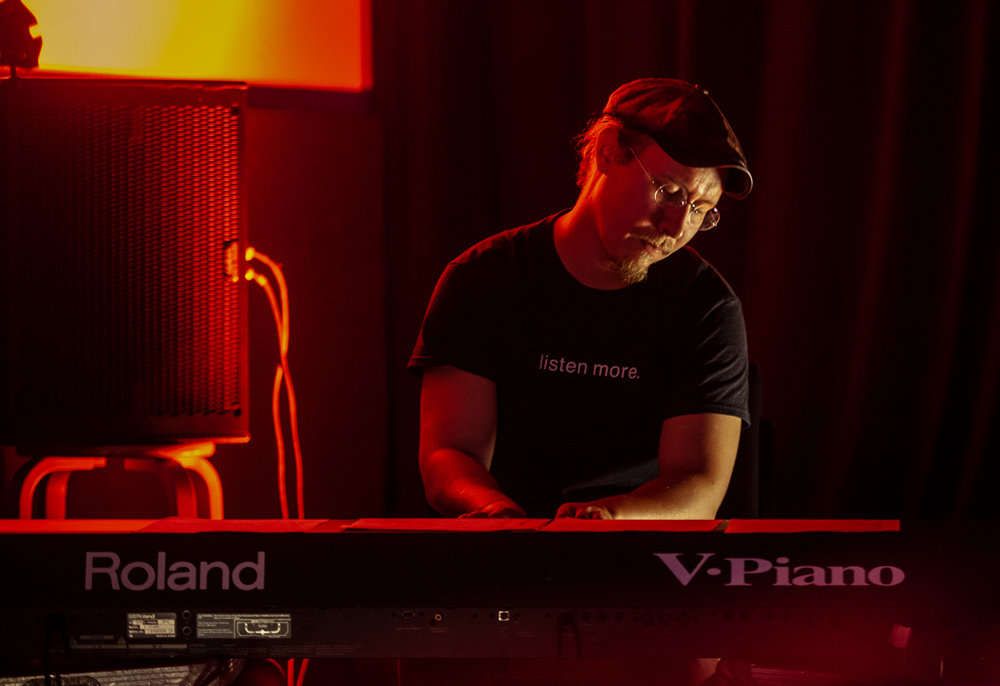
Hayden Hill
Hayden founded PianoGroove in 2015 with the goal of making the world a more musical place. He shares his love for jazz piano through his online courses and manages the community area of PianoGroove.
Live Seminar Resources
Live Seminar Resources
PDF Downloads
- Example Practice Planner
Join PianoGroove Pro to access all downloads and learning resources.
Download theory supplements, midi files, chord changes and full note-for-note transcriptions of every lesson.
- Weekly Practice Planner (Simplified)
Join PianoGroove Pro to access all downloads and learning resources.
Download theory supplements, midi files, chord changes and full note-for-note transcriptions of every lesson.
- Weekly Practice Planner (Detailed)
Join PianoGroove Pro to access all downloads and learning resources.
Download theory supplements, midi files, chord changes and full note-for-note transcriptions of every lesson.
- Beginner Jazz Piano Roadmap
Join PianoGroove Pro to access all downloads and learning resources.
Download theory supplements, midi files, chord changes and full note-for-note transcriptions of every lesson.
- Seminar Agenda
Join PianoGroove Pro to access all downloads and learning resources.
Download theory supplements, midi files, chord changes and full note-for-note transcriptions of every lesson.
- "Misty" - Chord Chart
Join PianoGroove Pro to access all downloads and learning resources.
Download theory supplements, midi files, chord changes and full note-for-note transcriptions of every lesson.
- Submitted Questions
Join PianoGroove Pro to access all downloads and learning resources.
Download theory supplements, midi files, chord changes and full note-for-note transcriptions of every lesson.
Related Lessons
Seminar Description
Seminar Description
How To Structure Jazz Piano Practice Time
Welcome to this seminar on creating an effective and enjoyable jazz piano practice routine. We explore practical tips and guidance using PDF practice planners and explain how to approach jazz theory and repertoire in a balanced and focused way.
Using Practice Planners For Consistency
One of the main takeaways from this seminar is the importance of consistency and goal-setting. The downloadable Weekly Practice Planner PDFs help students plan their week with clear targets, track habits, and reflect on progress. You’ll find sections for setting weekly goals, identifying focus areas, and filling in ‘habit tracking’ checkboxes for each day of completed practice.
The planner includes six areas of daily study — two theory drills, two jazz standard studies, and one ear training slot. This structure allows students to strike a balance between theory drills, jazz standards and repertoire, and developing our ears to learn directly from recordings.
The Four Foundational Jazz Piano Courses
The Beginner Jazz Roadmap PDF outlines four essential theory courses for beginner and early-intermediate jazz studies including the most important drills and exercises in this courses. The 4 courses are:
- Jazz Piano Foundations Course – Learn scales, triads, 7th chords, and basic 251 progressions.
- Chord Extensions Course – Explore extended harmony with 9ths, 11ths, and 13ths.
- Rootless Harmony Course – Master rootless voicings using Type A and Type B shapes.
- Altered Harmony & USTs Course – Study altered dominants and apply them to common progressions.
These courses are not just for jazz — they form the foundation for blues, funk, gospel, Brazilian, and all styles of improvised piano music. If you understand these four areas, you’ll be well-equipped to play and explore a wide range of styles and take your music in any direction.
Setting Realistic & Personalized Goals
A key focus of the session is understanding your own goals. Many students start with broad aspirations — improvisation, comping, arranging — but it’s more effective to set more short-term, manageable targets. Just like learning any spoken language, learning jazz piano requires time, patience, and frequent practice.
Students are encouraged to reflect on what they really want from playing jazz piano and to plan their studies accordingly. Listening to favorite jazz recordings and identifying admired pianists is also an important motivational and educational step.
Time Management: The Pomodoro Approach
For those balancing piano study with work or other commitments, the seminar offers a time management solution based on the Pomodoro technique — short, focused intervals of 15–25 minutes per topic. Students are encouraged to divide their practice time between theory and jazz standards. For example:
- Morning: 1 hour of theory drills broken into slots of 15–25 minutes.
- Evening: 1 hour of jazz standard study broken into slots of 15–25 minutes.
- 20 minutes of ear training or transcription daily.
This approach increases focus, decreases procrastination, help to avoid burnout, and encourages daily exposure to multiple areas of study.
Jazz Standards As Study Tools
Jazz standards like “Misty” can be used as powerful study material beyond just learning a song. We can take the chord progressions from the song and turn this into an exercise, for example:
- Play root, 3rd, and 7th shell voicings through the changes
- Add chord extensions like 9ths and 13ths
- Practice voicing transitions in the context of 251 progressions
- Reharmonise sections with rootless voicings
This “theory in context” approach bridges the gap between drills and real music. It ensures that every technical exercise has direct relevance to repertoire and performance.
This also helps to focus on smaller number of keys, and in particular the keys that appear in the songs that we want to play.
Practice Tips
-
Use the Weekly Planner – Check off each day you practice a drill. Consistency is key for progress – you must be seeing most checkboxes completed for real progress.
-
Focus on Less Keys – For new or challenging theory drills, rather than tackling all 12 keys at once, focus on 3–4 keys per week. We can also choose the keys that appear in the jazz standards that we are studying.
-
Turn Standards Into Theory Drills – Use jazz standards to practice chord voicings, 251s, extensions, and any other theory area you are working on.
- Pair Theory With Listening – Develop your ear alongside your hands by regularly listening to jazz recordings and also completing the ear training drills.
By following the practice system outlined in this lesson, students can reduce overwhelm, develop good practice habits, and build a solid foundation in jazz harmony and voicing techniques.
Use the planner, revisit your goals often, and remember that jazz piano is a lifelong journey — aim for small, steady improvements each day.
Comments
Leave a reply
Ask questions and get instant replies from our team of teachers. Get Started With PianoGroove Pro.Details
Goal-Setting & Practice Planning
Related Seminars